Envío GRATIS por compras superiores a 38€

Uncategorized

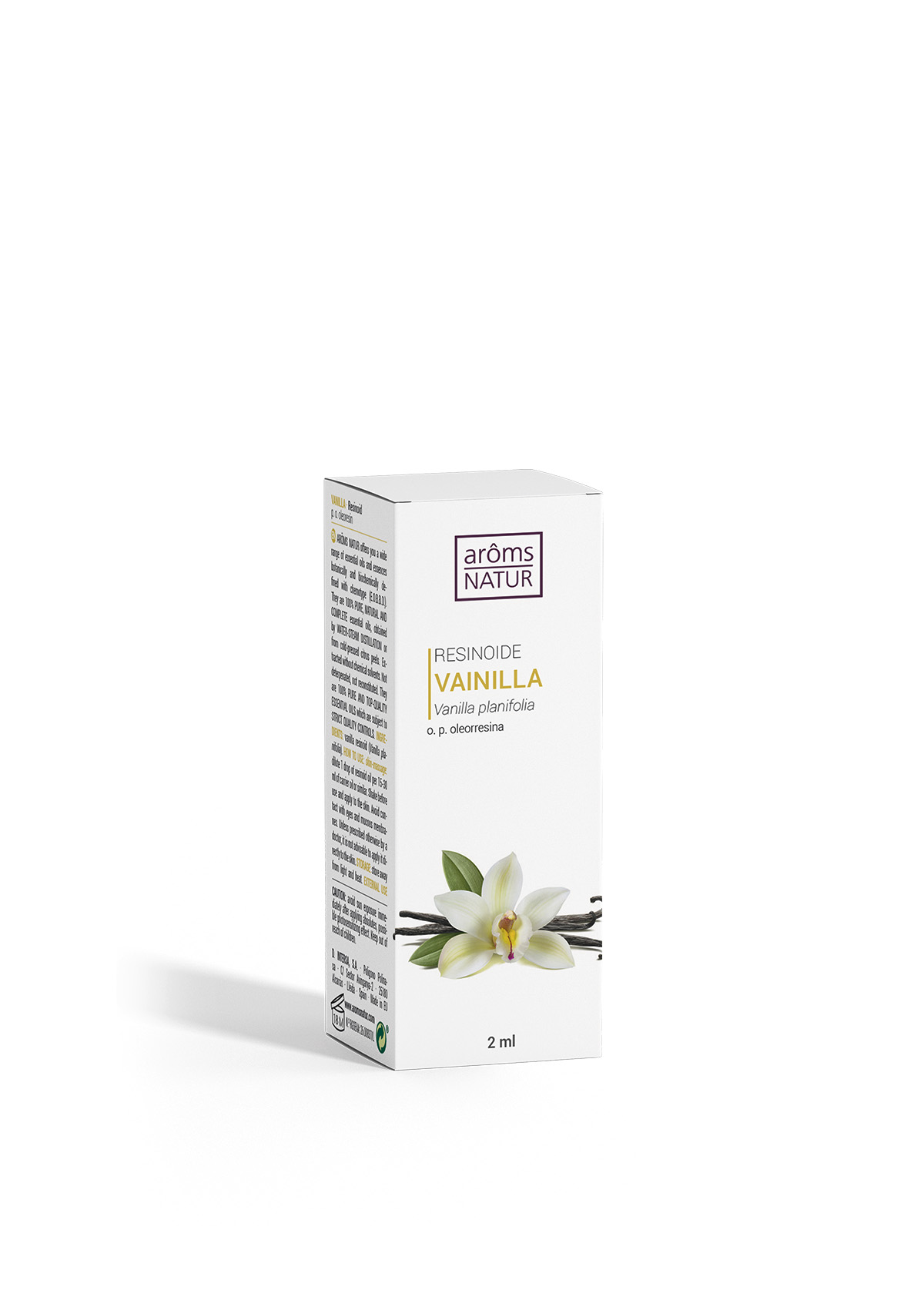
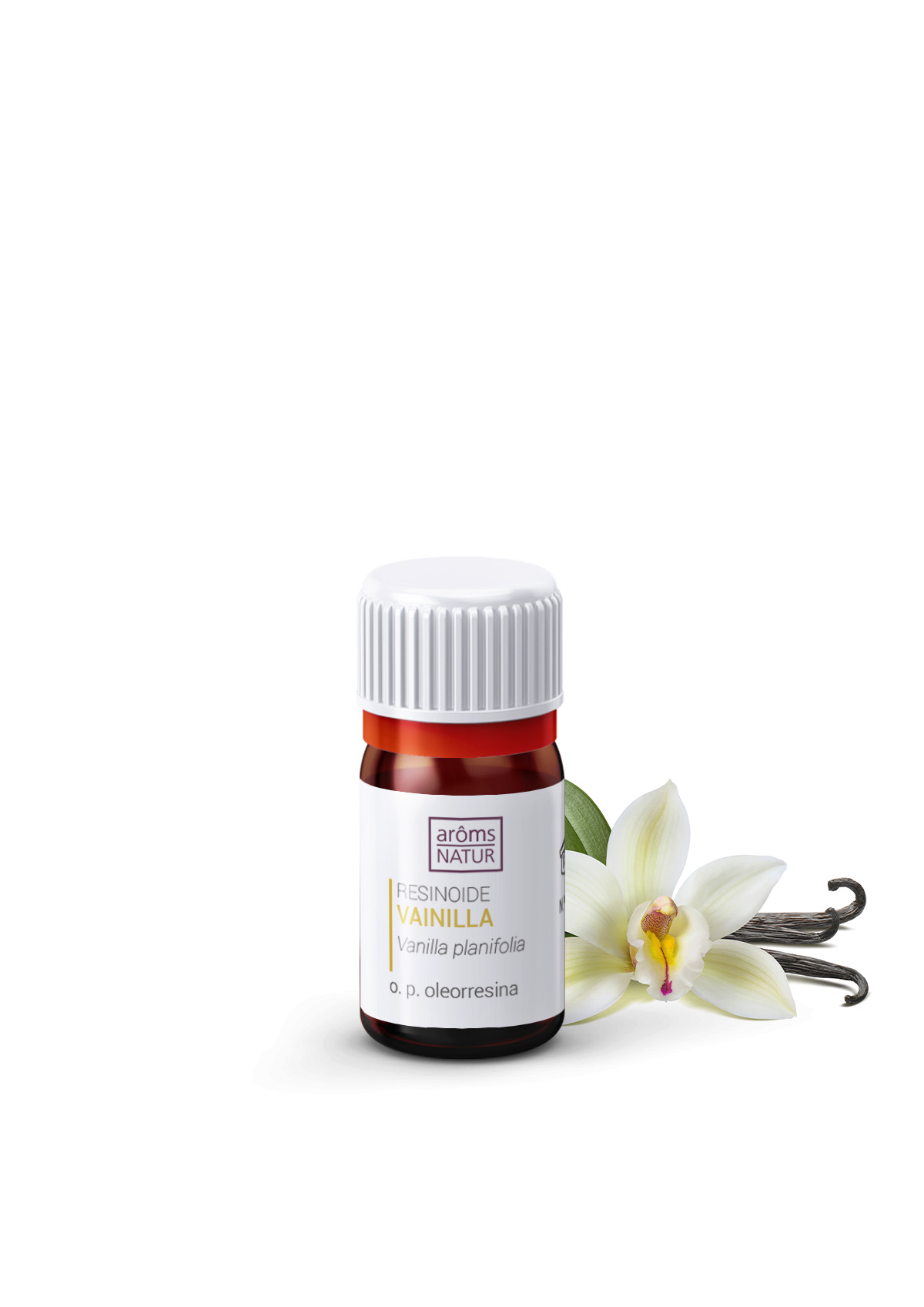
VANILLA resinoid

Vanilla planifolia  
Producing organ: oleoresin  
Bottle of 2 ml with dropper  
100% natural  
· The vanilla fruit is an elongated, fleshy capsule shaped like a pod, which ripens on the plant after 8-9 months.  
· The resinoid is obtained by direct extraction from cured vanilla pods. It is a viscous, dark brown liquid with a balsamic scent.  
100% natural  
· The vanilla fruit is an elongated, fleshy capsule shaped like a pod, which ripens on the plant after 8-9 months.  
· The resinoid is obtained by direct extraction from cured vanilla pods. It is a viscous, dark brown liquid with a balsamic scent.  


PVL:

  • Gourmand profile  
  • Sensory cosmetics  
  • Sweet and warm aroma  

BENEFICIOS

Gourmand warmth and sensory well-being  

Vanilla resinoid:  
Contributes to enriching the sensory experience of cosmetic care thanks to its sweet, warm and enveloping aroma, with gourmand and balsamic notes. It is especially valued in natural cosmetics for its comforting character and its affinity  
The essential oils of ARÔMS NATUR are high-quality products, 100% pure and natural due to their selection, manufacturing and control processes.  
An E.O.B.B.D. essential oil, meaning an Essential Oil Botanically and Biochemically Defined, is a 100% pure and natural essential oil obtained by steam-dragging distillation (without using chemicals for extraction) and is subject to strict quality controls. There are no added colors and they are not deterpenated, rectified nor re-distilled.  

SELECTION OF E.O.B.B.D. ESSENTIAL OILS  
The essential oils offered by Esential’Arôms are classified as Essential Oils Botanically and Biochemically Defined (E.O.B.B.D.). This means that each oil has been selected according to the following parameters:  
1. Plant species: all plants used are botanically classified, so we can undoubtedly inform about any plant species using the International Code of Botanical Nomenclature.  
2. Producing organ (p. o.): not all parts of the plant have the same composition, so it is necessary to choose the organ (root, seed, leaves, etc.) that, once distilled, will have the characteristic substances.  
3. Biochemical specificity (b. s.) or CHEMOTYPE: once the essential oil is distilled, it is necessary to verify its chemical composition, that will characterize its use. To check the correct biotype, it is performed an analytical control by gas chromatography coupled with mass spectrophotometry.  
4. Biotype: depending on the habitat where the species grows (terrain, altitude, etc.), the essential oil composition can vary, so verifying chemotypes is essential.  
Dilute beforehand in a vegetable oil or in a cosmetic base before application. Apply to the skin with a gentle massage. It can also be used in aromatic diffusion combined with other essential oils.  
Vanilla resinoid (Vanilla planifolia), rich in vanillin as the main aromatic component, together with vanillic acid, p-hydroxybenzaldehyde, p-hydroxybenzoic acid, coumarin and traces of eugenol.  
Vanilla resinoid (Vanilla planifolia).  
1. Do not exceed the stated recommended daily dose.
2. This product is a food supplement. Do not exceed the stated recommended daily dose. Food supplements should not be used as a substitute for a varied diet and a healthy lifestyle. Keep out of reach of children.
3. Unless your doctor or pharmacist has instructed you to do so, do not use essential oils internally during pregnancy, breastfeeding or in children younger than 3 years old.
4. In the case of accidental ingestion of essential oils (0.5 ml or more), take 4 tablespoons of a plant oil immediately, either olive oil or sunflower oil, and contact the National Institute of Toxicology.
5. Some of the components present in the essential oils are allergenic. This means that they may produce specific allergic reactions to the plant when they are first taken. If any reaction occurs, stop taking the oil.
6. Children over 3 years old should take essential oils following professional advice and adjusting the dose to their weight.
7. Unless recommended by a medical professional, essential oils should not be used in chronic diseases and ongoing medical treatments.
 
WHAT TO AVOID WHEN USING ESSENTIAL OILS
  • Essential oils should not be applied directly to the skin.
  • It is necessary to avoid contact with mucous membranes, eyes and other extremely sensitive areas (wounds, genital area, etc.). In case of contact, it is recommended to cleanse the area with a plant oil.
  • As a general precaution, essential oils should not be used during pregnancy and breastfeeding.
  • Avoid sun exposure immediately after the application of essential oils, possible photosensitizing effect. In the case of citrus essential oils (lemon, mandarin, sweet orange, grapefruit and bergamot), you should wait 6 hours before sun exposure.
  • Avoid the use of essential oils in children younger than 3 years.
  • Essential oils should not be injected intramuscularly or intravenously

TESTIMONIOS

Profesionales que avalan su eficacia

Ana Ruiz
Farmacia Dermabelle

Marta López
Dermatóloga Estética

Juan Cuenca
Centro Estética BellaForma